




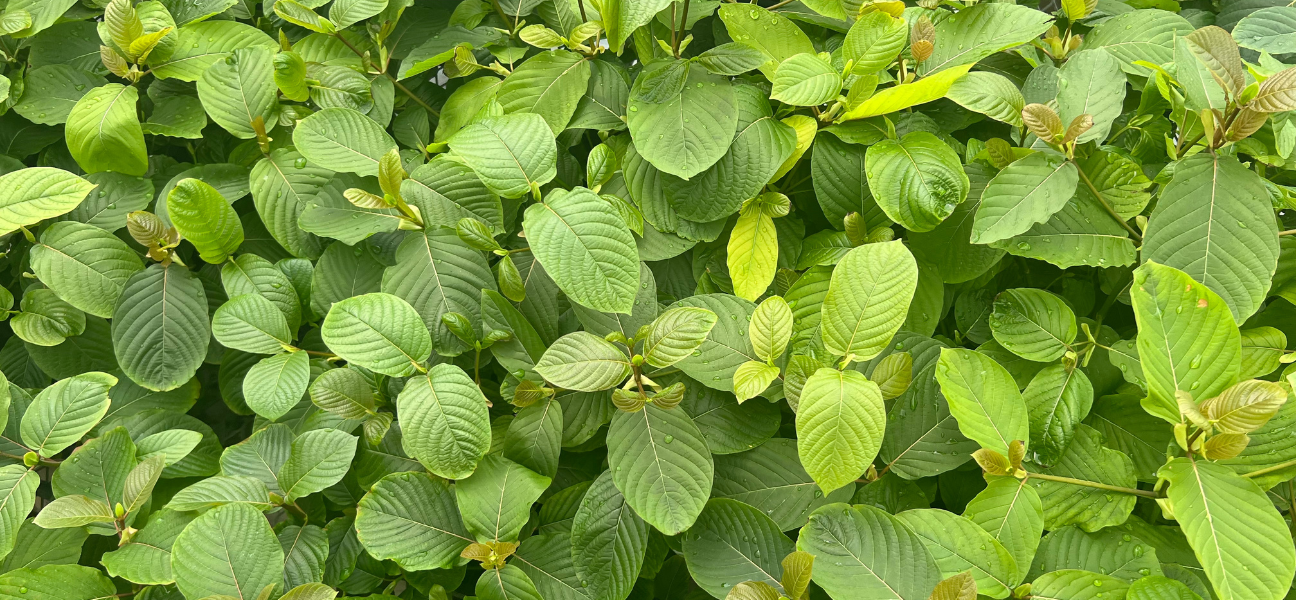
AI & Kratom: Can Artificial Intelligence Really Answer Health Questions?

Artificial intelligence is everywhere these days. From writing emails, to analyzing data, to answering complex questions in seconds. At the same time, interest in plant-powered wellness products and medicinal botanicals like kratom continues to grow.
As more and more questions arise...
Naturally, many people are starting to wonder:
"Can AI effectively and efficiently answer health and wellness questions, especially about kratom?"
Let’s review step-by-step.
What Can AI Do Well?
AI tools are designed to process and summarize large amounts of information quickly. When it comes to health topics, AI can:
-
Explain scientific studies in simpler language
-
Summarize what major health organizations say
-
Compare viewpoints or regulatory positions
-
Help you understand terminology
-
Help you prepare thoughtful questions to discuss with your healthcare provider
In short, AI can be a powerful educational tool. It’s particularly helpful for turning complex research into easy-to-understand explanations.

What Are AI Limits?
Despite how confident AI may sound, it has important limitations, especially in healthcare and health-related information.
AI cannot:
-
Diagnose medical conditions
-
Replace professional medical advice
-
Access your personal health history
-
Evaluate how kratom may interact with medications you take
-
Consider underlying health conditions unique to you
AI systems generate responses based on patterns in data, NOT on clinical judgment or real-time access to your health profile. This distinction is crucial.
What Does Research Say About Kratom?
Kratom (Mitragyna speciosa) is a tropical plant originating in Southeast Asia. Its primary active compounds, mitragynine and 7-hydroxymitragynine, interact with receptors in the body that influence mood, comfort, and energy.
Interest in kratom has expanded significantly in the United States over the past decade. Researchers continue studying:
-
Its alkaloid profile(s)
-
Its interaction with opioid receptors
-
Potential benefits and risks
-
Safety considerations and product variability
However, clinical research is still developing. Large-scale, long-term human trials are limited. Regulatory agencies have expressed concerns about product quality control, variability in potency, and potential risks when misused or combined with other substances.

This is an area where AI can summarize existing research, but AI cannot fill in gaps where research is still evolving.
Can AI Effectively Answer Kratom Questions?
The honest answer is: AI can help, but it should not be your final authority.
AI is effective for:
-
Learning general information
-
Understanding different perspectives
-
Reviewing publicly available research
-
Getting clarity on terminology
AI is NOT effective for:
-
Personalized dosage guidance
-
Medical decision-making
-
Managing dependence concerns
-
Replacing healthcare consultations
Think of AI as a research assistant, not a clinician.

An Interesting Shift: AI in Scientific Discovery
One fascinating development is how AI is being used in pharmaceutical and botanical research. Machine learning models can now analyze chemical structures, predict receptor binding patterns, and even suggest potential therapeutic pathways.
That means AI isn’t just answering questions, but it’s helping scientists generate new hypotheses about plant compounds, including alkaloids like those found in kratom.
But even here, AI is part of a much larger process that includes laboratory testing, peer review, and clinical validation.
A Smart Way to Use AI for Wellness Questions
If you choose to use AI when researching kratom or other botanicals, consider this balanced approach:
-
Use AI to learn the basics and understand terminology.
-
Cross-check information with reputable scientific or regulatory sources.
-
Discuss any health decisions with a qualified healthcare professional.
-
Pay attention to product quality, lab testing, and transparency.
Education is empowering but informed decisions require multiple sources.
Artificial intelligence is a powerful educational tool. It can help make complex topics, including kratom, easier to understand. But AI does not replace clinical judgment, medical expertise, or personalized care. When it comes to plant-based wellness, curiosity is valuable. Just make sure your decisions are guided by credible information, thoughtful research, and conversations with trusted professionals. As technology advances and research continues, both AI and botanical science will evolve. The key is using each tool wisely and responsibly.


Leave a comment