




Future of Kratom: Synthetic Alkaloid Analogs, Patents, and Big Pharma

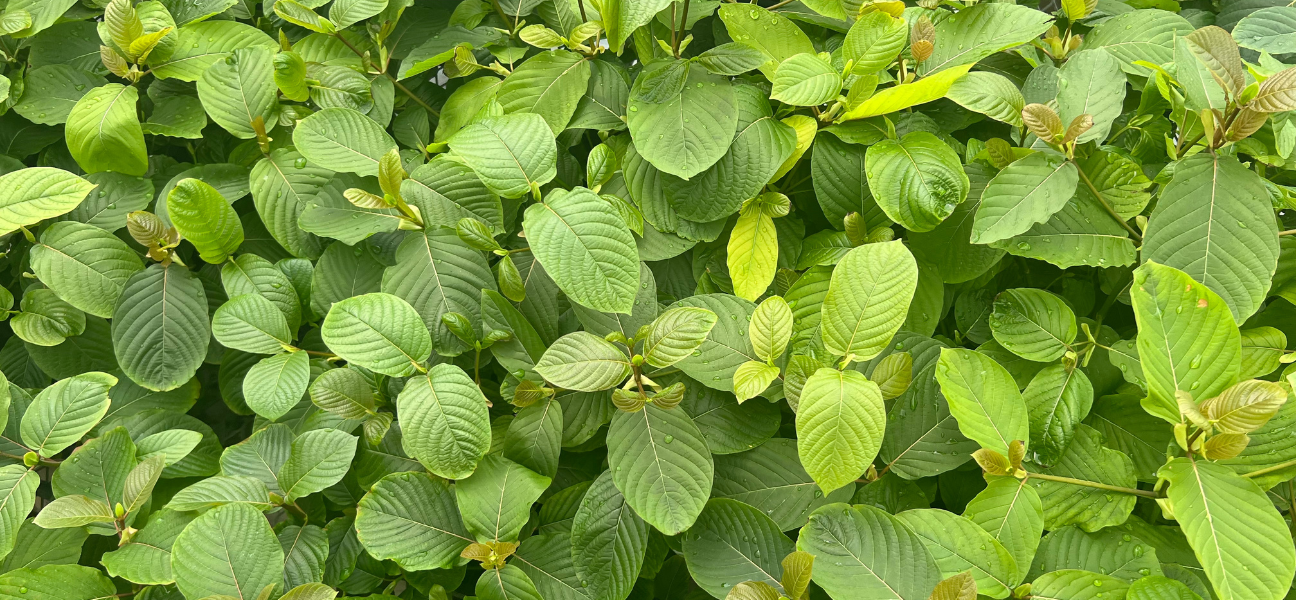
Kratom has always been a plant with a complicated story. For generations, people in Southeast Asia have used the leaves of the Mitragyna speciosa tree in traditional ways. Today, kratom is being studied by scientists, debated by regulators, used by millions of Americans, and watched closely by pharmaceutical researchers.

But the future of kratom may not be only about the leaf itself. It may also be about what science can create from the compounds inside it.
First, What Makes Kratom Unique?
Kratom contains dozens of naturally occurring plant compounds called alkaloids. The two most talked-about are mitragynine and 7-hydroxymitragynine, often called 7-OH. Mitragynine is the main alkaloid found in kratom leaf, while 7-OH is usually present in much smaller amounts. Scientific research has shown that mitragynine can also be converted by the body into 7-OH, which helps explain why researchers are so interested in how these compounds work.

This is where things get interesting. These alkaloids interact with some of the same receptor systems that pharmaceutical drugs target, including opioid receptors, but they do not behave exactly like traditional opioids. Researchers have been studying whether kratom alkaloids or modified versions of them could someday lead to new medicines for pain, mood, or substance-use-related conditions.
📢Natural Kratom vs. Synthetic Analogs
A synthetic alkaloid analog is a lab-created molecule designed to look or act like a natural plant compound, but with chemical changes. Think of it like taking the “blueprint” of a kratom alkaloid and redesigning parts of it to make it stronger, weaker, more targeted, longer lasting, or easier to patent.
That does not automatically make it good or bad. In medicine, this is common. Many modern drugs started as natural compounds found in plants, fungi, or microbes. Scientists study nature, then modify what they find.

But there is a big difference between:
Whole-leaf kratom products, which contain a broad natural alkaloid profile, and
highly concentrated, isolated, semi-synthetic, or synthetic compounds, which may have a much stronger and more drug-like effect.
That distinction matters. One of the biggest issues in the kratom world right now is that regulators, media, and consumers sometimes use the word “kratom” to describe very different things: traditional leaf products, extracts, isolated 7-OH products, and lab-modified analogs. These should not all be treated as the same thing.
Why Patents Matter
You cannot easily patent a plant in its natural traditional form. But you can often patent a new process, a purified compound, a synthetic derivative, a delivery method, or a specific medical use.
That is why kratom-related patents are important. Researchers and institutions have already explored patents around mitragynine analogs and related compounds, including possible uses for pain, mood disorders, anxiety, and substance-use disorders.

In simple terms, the pharmaceutical world sees what many kratom consumers already understand: there is something biologically interesting about this plant.
The question is not whether kratom has scientific value. The question is who gets to define that value, who gets to control it, and how consumers are protected along the way.
Where Big Pharma Comes In
Big Pharma is interested in compounds that can become approved drugs. That means compounds that are consistent, measurable, patentable, and studied through clinical trials. From a scientific standpoint, that can be a positive thing. More research could lead to better understanding, safer products, and even new medicines.
But there is also a concern in the natural-products community. If pharmaceutical companies develop patented kratom-inspired drugs while natural kratom remains misunderstood or overregulated, consumers could lose access to the plant while only expensive prescription versions survive.

That is why the future of kratom should not be framed as “plant vs. science.” The better conversation is: How do we support responsible science without erasing responsible access to the natural plant?
📢The 7-OH Problem
One reason this topic has become urgent is the rise of products centered around concentrated 7-OH. Regulators have recently focused heavily on 7-OH products, especially when they are marketed like gas-station stimulants, gummies, or shots without clear safety standards. The FDA has warned that 7-OH products may carry greater risks than traditional leaf-based kratom products, and recent public-health discussions have increasingly separated natural kratom from concentrated or synthetic derivatives.

For consumers, the takeaway is simple: not all kratom products are created equal.
A plain whole-leaf kratom tablet, a brewed kratom tea, a standardized extract, and a concentrated 7-OH product may all be placed under the “kratom” umbrella, but they can be very different in strength, chemistry, and risk profile.
ETHA’s View: Respect the Plant, Respect the Science
At ETHA, we believe kratom’s future depends on transparency, education, quality, and responsible innovation.
We believe science should continue studying kratom. We believe better testing, cleaner manufacturing, accurate labeling, and honest education are essential. We also believe the natural plant deserves to be understood on its own terms, not confused with synthetic knockoffs, mislabeled products, or ultra-concentrated compounds that do not reflect traditional kratom use. These are NOT natural kratom and should never be presented and labeled as such!
The future of kratom will likely include both paths: natural kratom products made with higher standards, and pharmaceutical research into isolated or modified alkaloids. The challenge is making sure the conversation stays honest.
Because kratom is not just a trend. It is a plant with history, chemistry, controversy, promise, and responsibility attached to it.
And as the industry grows, one thing becomes clear: the companies that lead the future of kratom should be the ones willing to test, educate, disclose, and put consumer trust first.

SHOP NATURAL KRATOM


Leave a comment